
Coloring Metal With Lasers
Weekend Wire #48

👋 Happy Saturday! This week’s edition covers lecture notes on the fundamentals of systems engineering, a laser-based method for tuning oxide colors on metal, and a quick size comparison of different LED display technologies.

Interesting Lecture Notes: Fundamentals of Systems Engineering
Strip away the abstractions and systems engineering becomes brutally straightforward. Define what the system must do, break it into parts, and manage the interfaces so the individual pieces add up to a coherent system. MIT’s 2015 Fundamentals of Systems Engineering course opens with the idea that ties all of this together: requirements are the backbone of every program.
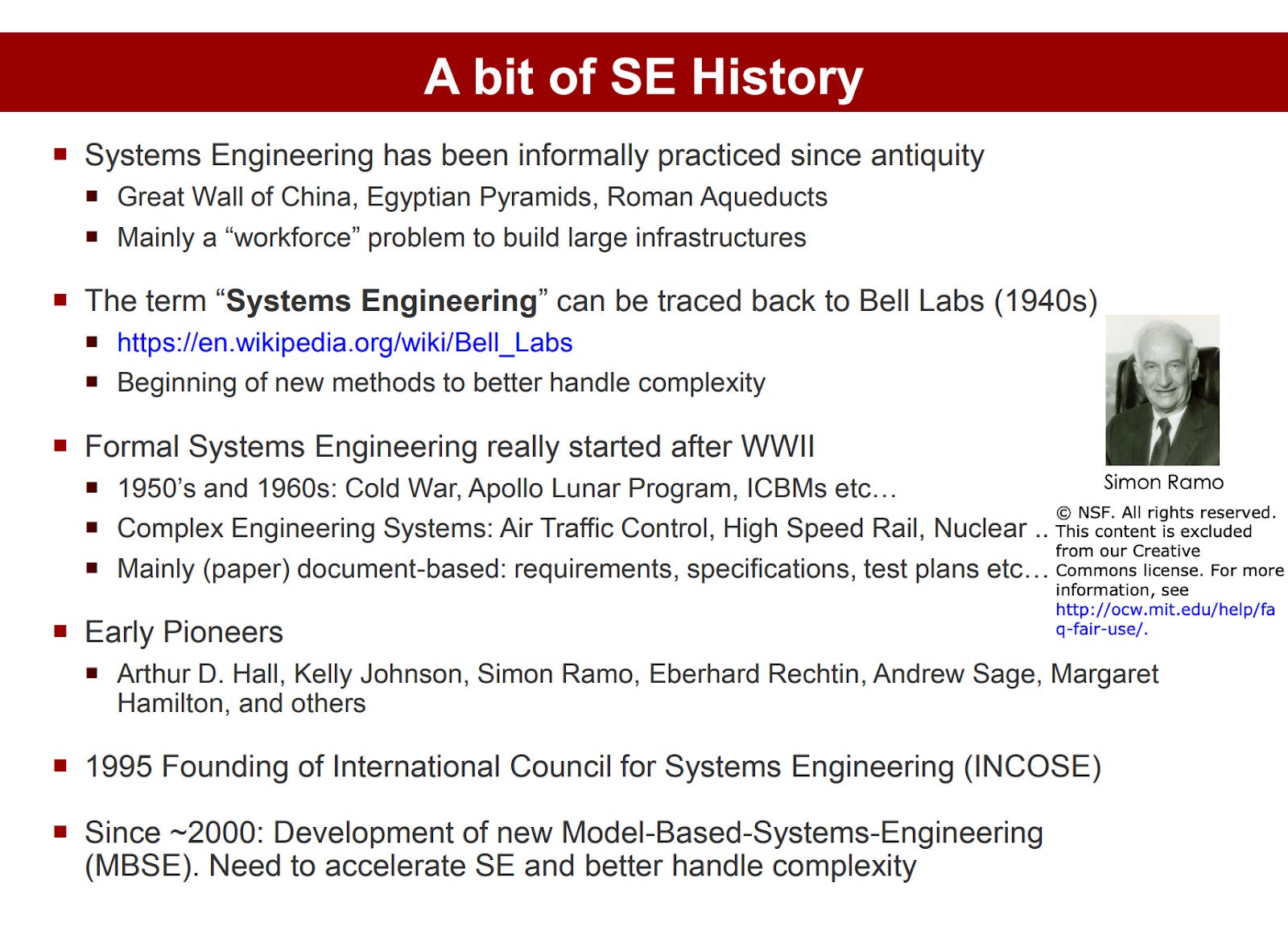
Modern systems engineering traces its roots to mid-century aerospace development, where NASA, the Air Force, and early defense contractors needed a structured way to build machines far more complex than anything that came before. Systems engineering emerged as the discipline charged with turning a mission into an architecture, an architecture into requirements, and a set of disparate subsystems into a functioning whole. Requirements describe the necessary functions and features of the system we are to conceive, design, implement and operate. At a high level, requirements focus on what should be achieved, not how to achieve it.
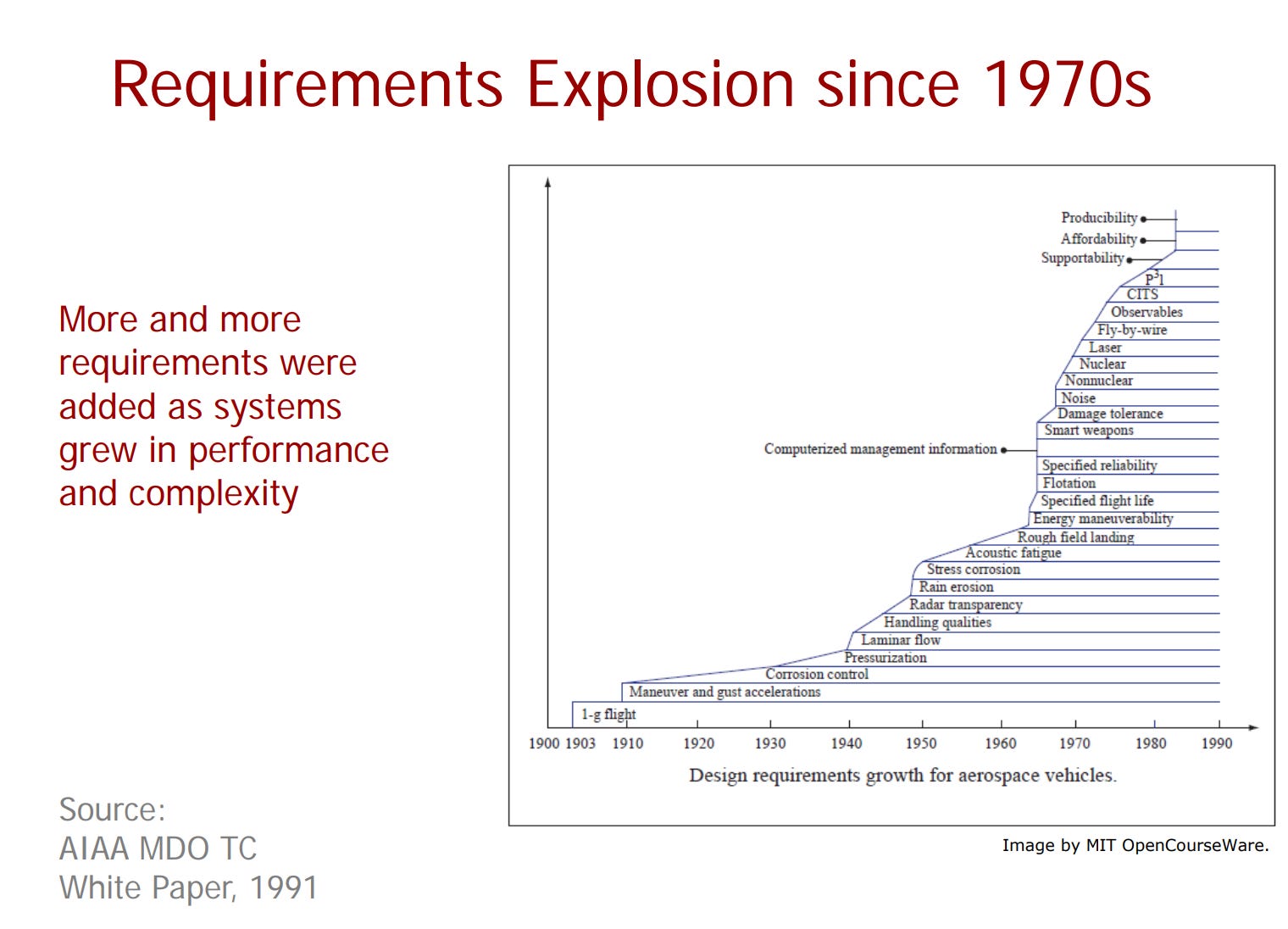
The discipline has spread well beyond aerospace—automotive, medical devices, any industry with high complexity—but the traditional models (especially those rooted in NASA’s early handbooks) carry baked-in assumptions that rarely survive once a program begins to iterate. Real programs don’t flow linearly from requirements to design to integration; they loop, backtrack, and renegotiate constraints as new information arrives. That mismatch is a big part of why large aerospace and infrastructure programs can tend to slip on cost and schedule.
Interesting Process: Paint by Numbers on Metals
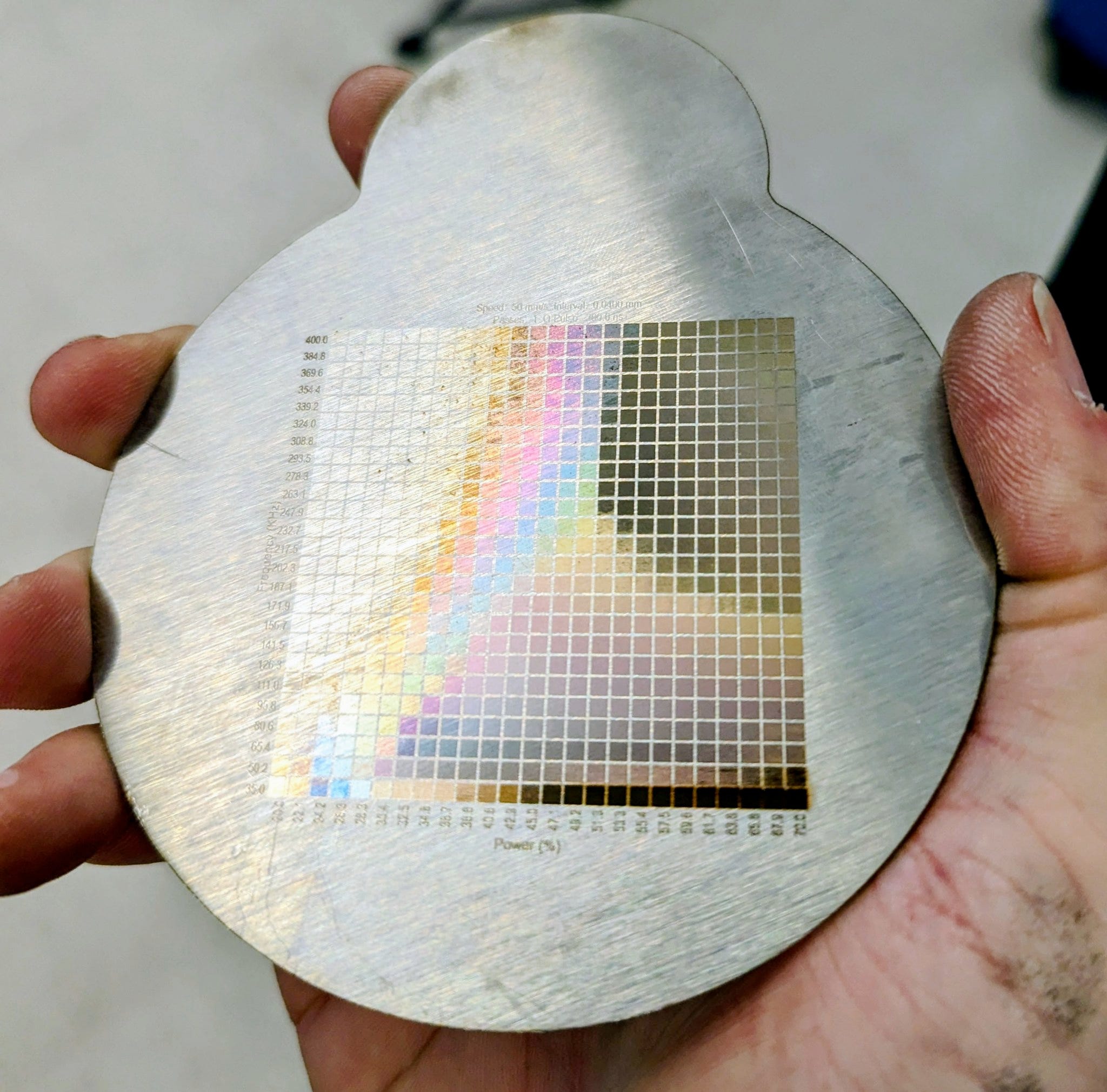
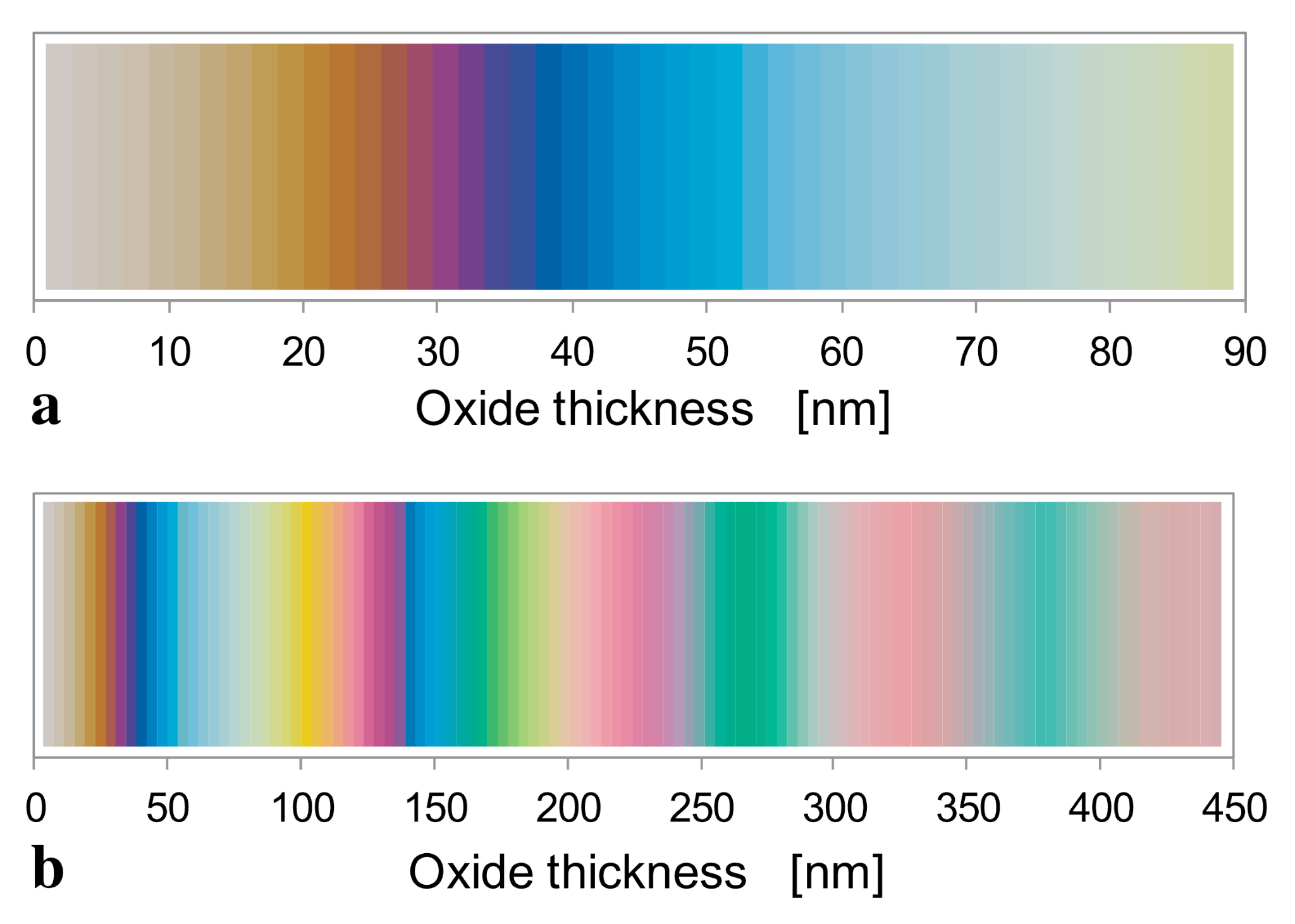
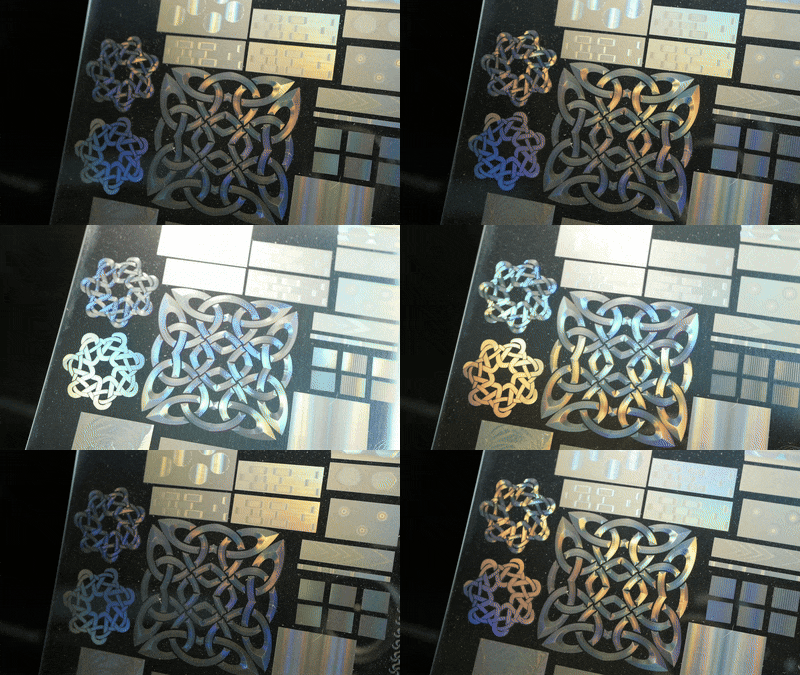
Stainless steel—and most metals, for that matter—turns into paint-by-numbers once you realize a laser can “color” it by depositing just enough heat to grow the oxide layer to a specific thickness. Oxides form because elevated surface temperature pulls oxygen into the top few nanometers of the metal, and the hotter (or longer) that layer stays above its reaction threshold, the thicker the film grows. A MOPA fiber laser is useful here because its pulse timing and energy are programmable, so the heat input and subsequent oxide thickness can be dialed in with far more precision.
Applied Science has a great video showing how the same technique expands past colors and into diffraction structures and quasi-holographic effects.
Interesting Photo: A Size Comparison of LEDs
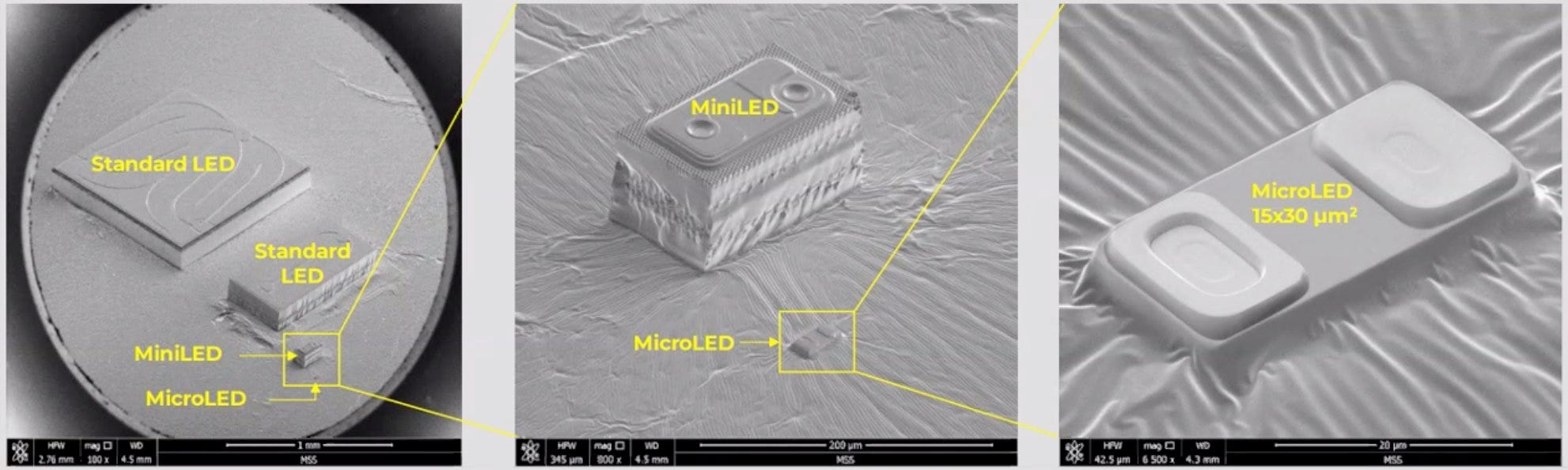
A size comparison between a standard LED, a miniLED (100-200 µm), and a microLED (<100 µm).
Manufacturing & Startup News
More leftovers from our weekly research:
Antares Nuclear raised $96M in Series B funding to accelerate reactor hardware development and test-site infrastructure for its Brayton-cycle microreactors. The company is targeting a low-power Mark-0 demonstration in 2026 at Idaho National Laboratory and a full-power Mark-1 prototype as early as 2027, aimed at military basing and space power applications.
Verkada raised an additional $100M at a $5.8B valuation, backing its push to expand AI across its cloud-managed cameras, sensors, and alarms as the company passes $1B in annualized bookings.
Marble Imaging raised $6.2M in an oversubscribed seed round to build out its very-high-resolution multispectral imaging satellites and AI analytics stack, with a first launch slated for 2026 in partnership with Reflex Aerospace.
Ondas Holdings is acquiring Roboteam to expand its portfolio in unmanned ground vehicles for multi-mission tactical robotics.
L3Harris Technologies broke ground on a new advanced propulsion facility in Camden, Arkansas, to boost solid rocket motor production.
Tools From Our Sponsors
Flow – Agile requirements management platform for complex systems.
Jiga – Custom parts at digital speed, with trusted shop access.
Zenode – Free AI-powered search engine for electronic components. A smarter, faster alternative to part catalogs like Digi-Key.
Drafter – Create manufacturing-ready, standardized GD&T drawings in minutes, not hours.
Access Every Link We’ve Ever Shared 🎞️
Refer three friends to Hardware FYI and unlock our full archive.
Missed an issue? Hunting for that one link? Every tool, guide, and article we’ve ever shared is in here.
P.S. If you find something interesting—an article, tool, funding round, project, really anything—send it our way!
P.P.S 17,500+ engineers, founders, and operators read this newsletter. If you want to reach them, get in touch.
Thanks for writing this it clarifies a lot. How do you envision these systems engineering models integrating with modern agile methodologies? Very insightful.
And here I thought they might be laser-etching diffraction patterns rather than growing specific oxidation layers to get specific colors. Really cool explanation, thank you!